

Mountain Creek, Sunshine Coast
Updating Mountain Creek's 1990s interiors.
Apricot walls, dark timber-look trims, textured ceilings. Most of these houses still have the scheme they were built with.
- Since 1985
- /Family-run, locally owned
- /Fully insured
- /Dulux + Taubmans accredited
- /Lead & asbestos qualified
Local context
What this work looks like in Mountain Creek.
A lot of Mountain Creek interiors are still wearing the 1990s. Warm apricots and terracottas on the walls, trims in a heavy stained finish, and a textured or stippled ceiling in the living areas because that's what everyone did. The houses themselves are sound. It's the scheme that dates them, and a colour change here transforms a room more dramatically than in almost any other suburb we work. The main question is what to do about those ceilings.
What we watch for
Conditions that change the job here.
Textured ceilings are the decision point in this suburb. They can be painted, and that freshens them without much cost, but the texture stays. Removing it is a much bigger job involving a lot of mess and usually a skim coat afterwards. We'll quote both so the choice is yours. Original 1990s trims are often coated in an oil-based enamel, which needs the right primer before a water-based topcoat will stick to it properly. Skipping that step is why trims peel a year later.
How it runs
What to expect.
The ceiling decision comes first, because it changes everything else. We price painting over the texture and removing it as two separate options so you can see the gap before you commit. We also test the trims for enamel at the quote, since that determines whether a bonding primer is needed. Both of those get settled before we book you in. From there a whole-house colour change on a house this size is usually a straightforward run, and you can stage it room by room if you would rather spread the cost.
Usually included
- Both options quoted on textured ceilings: paint over, or remove and skim
- Bonding primer on original oil-based enamel trims before topcoat
- Full colour scheme updates from the original 1990s palette
- Room-by-room staging so you can spread the work over time
Dated, not worn out
These houses are sound. The scheme is what ages them.
The ceiling is the decision
Texture can be painted, which freshens it cheaply and leaves the texture there. Removing it is messy, usually needs a skim coat, and costs several times as much. We price both and you choose.
Enamel trims need a primer
Nineties trims were commonly finished in oil-based enamel, and water-based paint will not bond to it. It looks fine for months, then peels off in sheets. A bonding primer fixes that permanently.
Colour does the heavy lifting
Swapping a heavy apricot and terracotta palette for something current makes a room read as renovated with nothing structural touched. It is the cheapest large change available in a house like this.
How we update a scheme
Two decisions get made before we book you in.
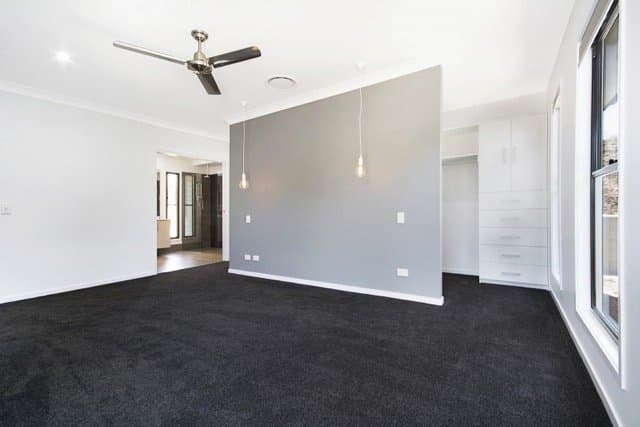
01
Price the ceiling both ways.
Painting over the texture and removing it are quoted as separate options, so you can see the gap before committing. Plenty of people paint it and are happy with that.
02
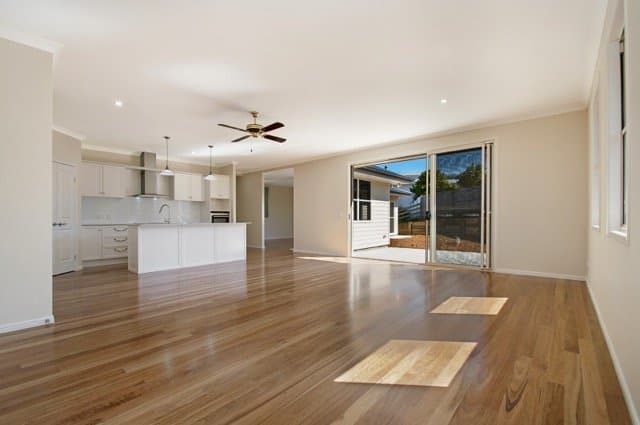
Check the trims for enamel.
A minute with methylated spirits at the quote tells us whether the original enamel is still under there. That decides whether a bonding primer goes into the scope.
03
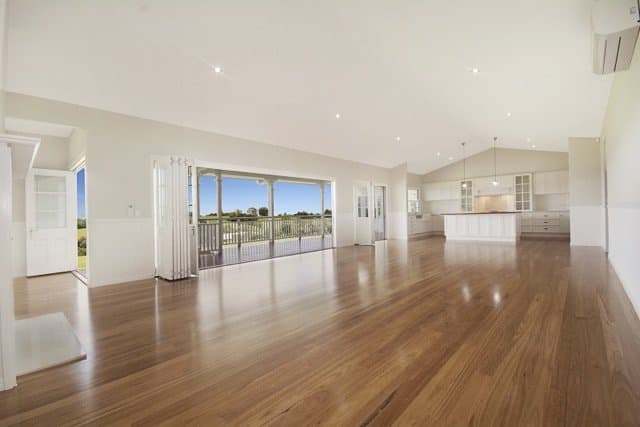
Put samples on the wall.
Coming off a 1990s palette, the jump is bigger than people expect. Samples go up in the living areas so the new scheme gets judged against the existing floors and cabinetry.
04
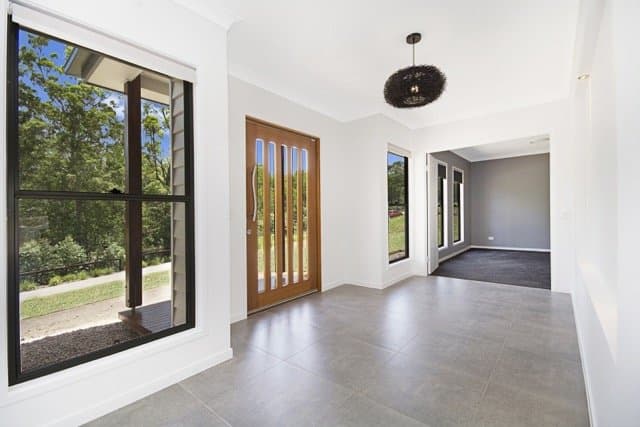
Run it, or stage it.
A whole-house colour change on a house this size is a straightforward run. If you would rather spread the cost we stage it room by room and write the exact product and colour codes on the quote.
For agents and property managers
The cheapest way to lift a 1990s rental.
A colour change on a Mountain Creek interior shifts what a property presents like far more than the spend suggests, which matters at re-letting and at appraisal. We’ll tell an owner honestly when the ceiling texture can simply be painted.
Moving off the 1990s
Four neutrals that replace apricot and terracotta.
Dulux
Natural White Half
#EDE7DA
Keeps warmth without going back toward apricot.
Dulux
Lexicon Quarter
#E7E8E5
The cleanest break from a 1990s palette.
Taubmans
White Tea
#F0E8D9
Works over a textured ceiling that is staying put.
Dulux
Antique White U.S.A.
#E9E1CC
Pairs with the timber-look trims already in the house.
Common questions
What people ask before booking.
Can you get rid of my textured ceiling?
Yes, but go in knowing it’s a big job. Removal is messy, it usually needs a skim coat afterwards to get a flat finish, and it costs several times what painting over it does. Plenty of people paint the texture instead and are happy. We’ll price both.
Why do my trims need a special primer?
Because they’re probably oil-based. Nineties trims were commonly finished in enamel, and modern water-based paint won’t bond to it directly. It looks fine for a few months and then peels off in sheets. A bonding primer first solves it permanently.
How much difference does a colour change really make here?
More than in a newer house. These interiors are dated by their scheme rather than their condition, so replacing a heavy 1990s palette with something current makes the room read as renovated even though nothing structural has changed. It’s the cheapest big change available to you.
Can we do this room by room over a few years?
Yes, and plenty of people here do exactly that. The one thing to watch is colour consistency: keep a record of what went where, because matching a batch three years later is harder than it sounds. We’ll write the exact product and colour codes on the quote so you have them.