
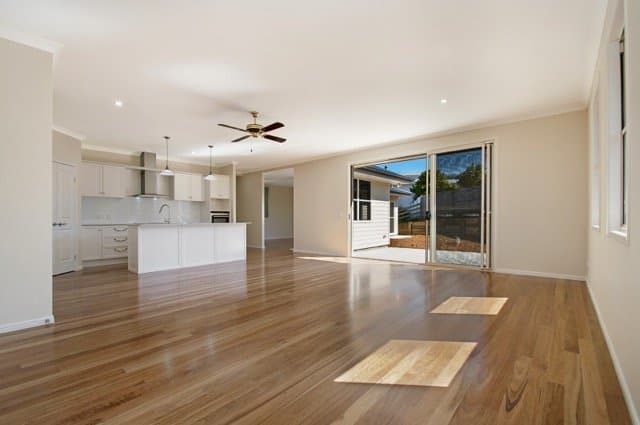
Caloundra West, Sunshine Coast
Interior painting in Caloundra West.
Established housing that went up well before the estates did. These homes are on a normal repaint cycle, not a builder-white swap.
- Since 1985
- /Family-run, locally owned
- /Fully insured
- /Dulux + Taubmans accredited
- /Lead & asbestos qualified
Local context
What this work looks like in Caloundra West.
Caloundra West had around 7,270 people at the 2021 census, and its housing sits in the north of the suburb alongside an industrial estate and bushland that was never developed. These homes went up well before Aura did, which puts them in a different category to everything around them. Nobody here is swapping out builder white. They're repainting interiors that have been through fifteen or twenty years of ordinary life, and that's a substantially different job to a new-estate colour change.
What we watch for
Conditions that change the job here.
The walls in these houses carry history. Years of patching, touch-ups in slightly wrong colours, and picture hooks filled by whoever lived here before mean the surface is uneven long before we open a tin. Those patches need spot-priming or they flash through the topcoat under side light, which is the single most common complaint about a cheap interior repaint. Trims in houses of this era frequently carry oil-based enamel underneath, so they need a bonding primer before any water-based finish will hold.
How it runs
What to expect.
The quote visit includes two quick tests. We check the trims for enamel with methylated spirits on a cloth, and we look at the walls under raking light to find every patch and touch-up that will flash through a topcoat. Both take minutes and both change the scope. Expect a spot-priming stage before any painting starts, covering every filled hole and old repair. It is invisible work and it is the single biggest reason a repaint on a house this age either looks right or does not.
Usually included
- Spot-priming every patch and touch-up so it doesn't flash through
- Bonding primer on enamel trims before a water-based topcoat
- Filling and sanding years of picture hooks and minor damage
- Whole-house or room-by-room, priced either way
Under the surface
Twenty years of patching is what you are paying for.
Flashing is the usual complaint
Filler and bare patches absorb paint differently to the wall around them, so they show a different sheen under raking light even when the colour matches. Spot-priming first is the fix, and it is cheap.
Trims may hide enamel
Houses of this era often carry oil-based enamel under the current finish. A minute with methylated spirits at the quote tells us, and it decides whether a bonding primer goes in the scope.
Ceilings age quietly
A twenty year old ceiling yellows gradually enough that nobody notices until a fresh wall goes up beside it. Doing both at once costs less than coming back to it later.
Two tests at the quote
We check the walls under raking light first.
01
Test the trims.
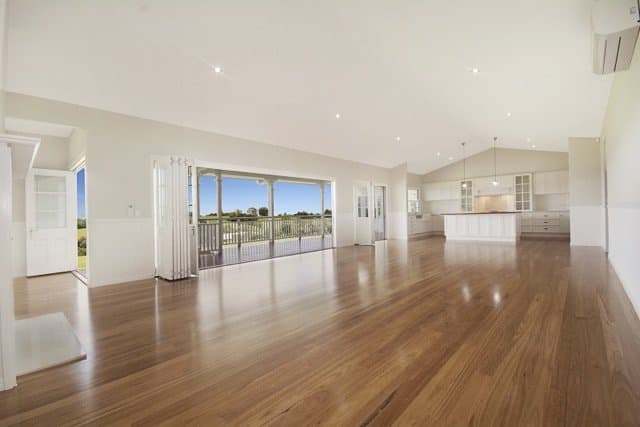
Methylated spirits on a cloth in a hidden spot. Water-based paint softens and enamel does not. It takes a minute and it changes the scope.
02
Find every patch.
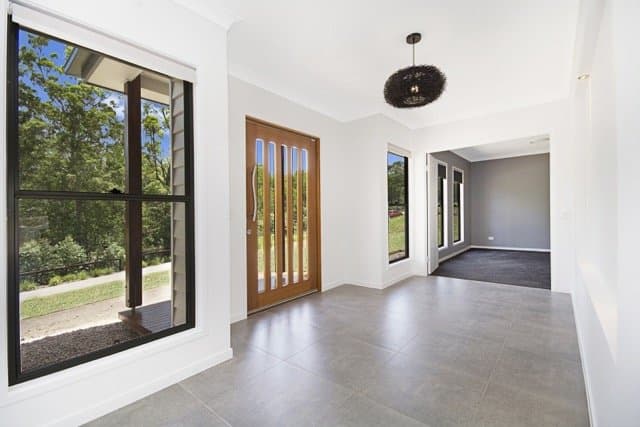
A light held flat against the wall shows up years of picture hooks, touch-ups and old repairs that look invisible head on. Those get marked before we quote.
03
Fill, sand, spot-prime.
Every repair gets primed before topcoat. It is the invisible stage and the single biggest reason a repaint on a house this age either looks right or does not.
04
Walls and ceilings together.
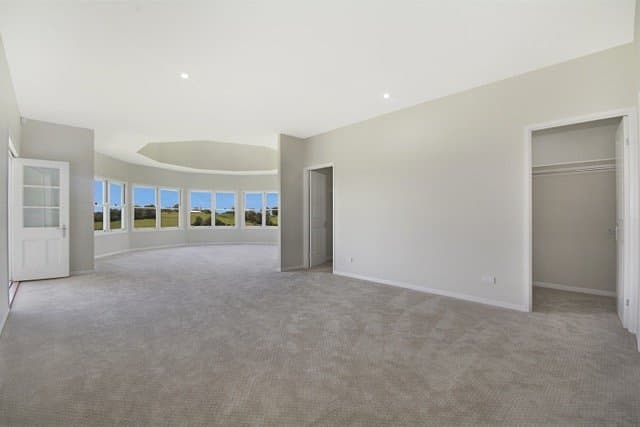
On a house this age it is usually worth doing both in one visit. We’ll say so if the ceilings genuinely have a few more years left in them.

For agents and property managers
Established stock in an estate postcode.
A Caloundra West house and an Aura house sit inside the same few kilometres and quote completely differently. We’ll explain that gap to an owner comparing the two, because the difference is twenty years of patching rather than a margin.
Colours for older stock
Four neutrals for a house on its third repaint.
Dulux
Natural White Half
#EDE7DA
Blends across walls that carry years of patching.
Dulux
Lexicon Quarter
#E7E8E5
Lifts a room where the ceiling is going fresh too.
Taubmans
White Tea
#F0E8D9
Softens rooms that have gone slightly yellow over time.
Dulux
Antique White U.S.A.
#E9E1CC
Close to what many of these houses were built with.
Common questions
What people ask before booking.
What does it mean when patches show through new paint?
It’s called flashing. Filler and bare patches absorb paint differently to the surrounding wall, so they end up with a different sheen and appear under raking light even though the colour matches. Spot-priming the patches first is the fix, and it’s cheap. Skipping it is why some repaints look wrong.
How do I know if my trims are enamel?
We test rather than guess, usually with a bit of methylated spirits on a cloth in a hidden spot. Water-based paint softens, enamel doesn’t. It takes a minute at quote stage and it determines whether the trims need a bonding primer, which is not something you want to discover afterwards.
Is this different to the work you do at Aura?
Very. An Aura interior is fresh plaster and a colour change, so the prep is minimal and it’s mostly application. A house here has twenty years of patching, repairs and enamel trims under the surface. Same suburb boundary more or less, completely different quote.
Should the ceilings be done at the same time?
On a house of this age, usually yes. Twenty-year-old ceilings have yellowed gradually enough that nobody notices until a wall goes fresh beside them. Doing both at once costs less than coming back, and it’s the difference between a room looking painted and a room looking finished.